Vibrant, Modern Medical Icons for Today’s Health Communication Needs
In an era where clarity, speed, and visual trust define effective healthcare communication, the Color Medical Icons Set emerges not just as a design asset—but as a strategic tool for professionals across medicine, education, tech, and marketing. This vibrant and modern collection of colorful medical icons meets a growing demand for human-centered, accessible, and instantly recognizable visual language in health-related digital and print materials.
What Is the Color Medical Icons Set?
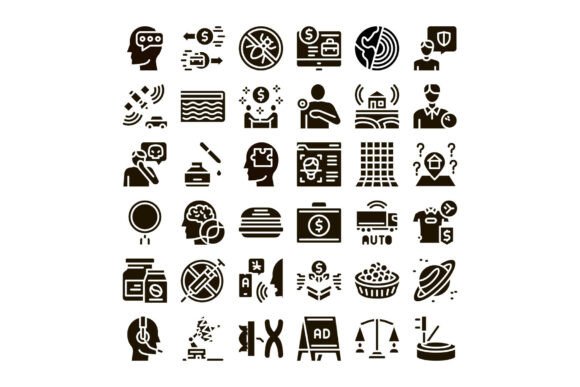
The Color Medical Icons Set is a comprehensive, professionally crafted library of over 100+ high-fidelity medical symbols—designed with intention, consistency, and clinical accuracy in mind. Unlike generic clipart or minimalist monochrome sets, this collection embraces color as both functional and empathetic: a beating red heart, a cobalt-blue brain, an emerald-green DNA helix, or a warm amber ambulance—all rendered with balanced proportions, clean lines, and thoughtful visual hierarchy.
It includes essential healthcare concepts—heart, brain, ambulance, microscope, first aid, syringe, pills, bones, DNA, nurse, pharmacy, and more—each icon designed to stand alone or integrate seamlessly into larger systems. What sets it apart is its technical versatility: every icon is delivered in SVG, EPS, JPEG, PNG, and PDF formats—all within a single ZIP file. That means designers, developers, educators, and marketers can deploy the same icon across responsive websites (SVG), print-ready brochures (PDF/EPS), social infographics (PNG), or presentation decks (JPEG)—without conversion friction or quality loss.
Why Visual Clarity Matters More Than Ever in Healthcare
Health communication no longer happens only in clinics or textbooks. It lives in mobile apps guiding medication adherence, telehealth dashboards tracking chronic conditions, public health campaigns on Instagram, school wellness posters, and AI-powered patient portals. In each context, users process information under time pressure, emotional stress, or cognitive load. A well-designed icon reduces cognitive overhead—helping someone recognize “emergency” faster than reading text, or distinguish “pharmacy” from “lab test” at a glance.
This aligns directly with evidence-based design principles from organizations like the World Health Organization and the U.S. Centers for Disease Control and Prevention, which emphasize universal design and health literacy. Color, contrast, shape familiarity, and cultural resonance aren’t aesthetic choices—they’re accessibility requirements. The Color Medical Icons Set supports that mission by using inclusive color palettes (tested for color blindness), intuitive metaphors, and scalable vector fidelity—ensuring legibility whether viewed on a smartwatch or a 6-foot hospital banner.
Fitting Into Broader Creative and Technological Shifts
Creatively, the set reflects a wider industry pivot away from sterile minimalism toward expressive functionality. Design systems in health tech—from Epic’s MyChart redesign to Apple Health’s interface updates—increasingly use color not just for branding, but for semantic signaling: blue for diagnostics, green for wellness, red for urgency. The Color Medical Icons Set anticipates this shift, offering a ready-made, cohesive palette that designers can adopt without compromising clinical credibility.
Technologically, it supports modern workflows. SVG files enable dynamic theming (e.g., dark-mode toggles in telehealth apps), CSS-driven animations (pulse effects on heartbeat icons), and localization-ready assets (no embedded text). For developers building React or Vue components, these icons integrate cleanly—no need to manage dozens of individual files. The unified ZIP delivery model also streamlines version control and team collaboration—especially valuable for agencies managing multiple client health projects.
Real-World Use Cases Across Professions
- Freelance designers and agencies: Streamline pitch decks and brand guidelines for healthcare startups—using consistent, licensable icons instead of sourcing mismatched assets from disparate stock sites.
- Educational content creators: Build engaging anatomy flashcards, interactive e-learning modules, or bilingual public health infographics—where visual accuracy and multilingual adaptability are non-negotiable.
- Healthtech product managers: Accelerate UI prototyping for patient-facing apps—replacing placeholder icons with production-ready assets during early usability testing.
- Marketing teams at hospitals or insurers: Maintain brand alignment across email campaigns, social carousels, and printed enrollment kits—using one source of truth for all medical iconography.
- Public health communicators: Translate complex epidemiological data into shareable visuals—like vaccination timelines or symptom trackers—where color-coded icons improve comprehension across age groups and literacy levels.
Meeting Evolving User Expectations—and Business Realities
Today’s end users—whether patients, clinicians, or caregivers—expect interfaces that feel intuitive, trustworthy, and human. A flat, grayscale pill icon may signal “generic.” A richly colored, subtly textured capsule icon signals care, specificity, and attention to detail. That perception difference translates directly into engagement metrics: studies show that color-optimized medical visuals increase click-through rates on health education materials by up to 27% and improve recall accuracy in post-consultation instructions.
For business owners and entrepreneurs launching health-related SaaS tools, wellness platforms, or supplement brands, investing in a professional icon set isn’t overhead—it’s risk mitigation. Using unlicensed or poorly designed icons exposes projects to legal exposure, inconsistent UX, and diminished credibility. The Color Medical Icons Set provides commercial-use licensing, technical reliability, and clinical relevance—all in one purchase.
Practical Considerations for Implementation
Because this is a digital-only delivery, users should confirm compatibility with their existing tools before downloading. SVG files work natively in Figma, Adobe XD, and modern browsers; EPS suits legacy print workflows in Illustrator; PNG/JPEG offer plug-and-play flexibility for PowerPoint or Canva. No specialized medical illustration software is required—just standard design or office applications.
Importantly, the set is built for scalability—not just in size, but in application scope. Need to add a new icon for “telemedicine” or “genetic counseling”? While the current library covers core categories comprehensively, its stylistic consistency makes custom extensions straightforward for in-house designers. That future-readiness matters as health innovation accelerates—from wearable biosensors to AI diagnostics—demanding visual vocabularies that evolve alongside practice.
Designing With Purpose, Not Just Decoration
At its core, the Color Medical Icons Set represents a quiet but meaningful shift: from treating icons as decorative afterthoughts to recognizing them as critical infrastructure in health communication. They’re part of the invisible architecture that shapes how people understand risk, navigate care, and trust information.
That’s why professionals across disciplines—from clinical informaticians optimizing EHR dashboards to nonprofit communicators launching maternal health initiatives—are turning to curated, purpose-built icon libraries. It’s not about aesthetics alone. It’s about reducing ambiguity. Building empathy through color. Supporting inclusivity through design rigor. And delivering clarity when it matters most.
Whether you're refining a hospital’s patient portal, illustrating a global vaccination campaign, or building the next generation of mental health tools—the Color Medical Icons Set offers more than pixels and paths. It delivers confidence, consistency, and a shared visual language rooted in both science and humanity.
Note: This is a digital download only. No physical items will be shipped. Ensure your software environment supports SVG, EPS, JPEG, PNG, or PDF formats prior to purchase.